

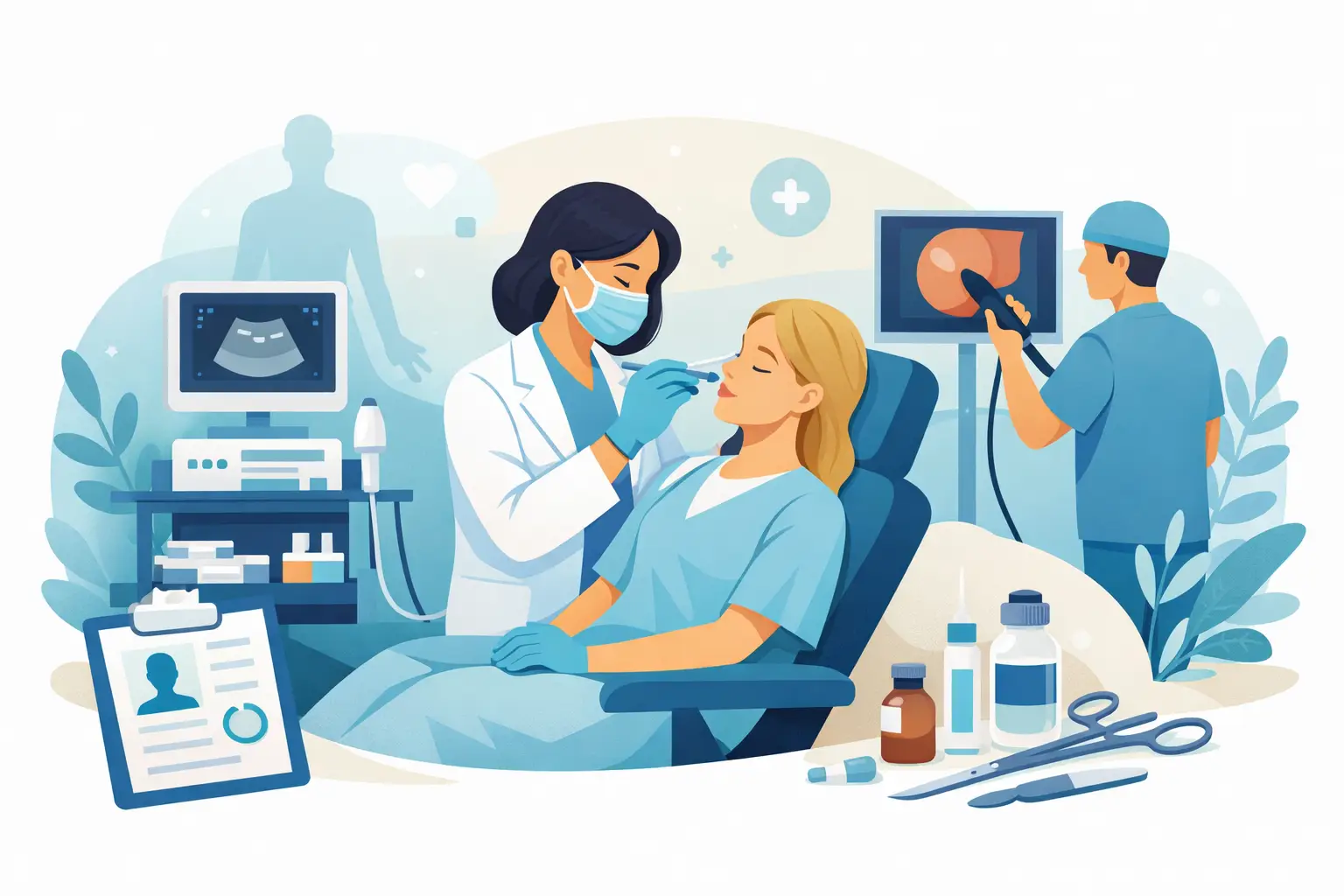
A visit to your primary care clinic does not always stop at a conversation, a prescription, or a referral. Many in office medical procedures can be performed safely and efficiently during a routine appointment, which often saves patients time, reduces delays in treatment, and keeps care in one familiar place.
For many adults and families, that matters more than it may seem at first. When you can address a concern in the same office where your provider already knows your health history, medications, and goals, the experience tends to feel less stressful and more personal. It also creates an easier path from evaluation to treatment to follow-up.
What are in office medical procedures?
In office medical procedures are minor medical services performed in an outpatient clinic rather than a hospital or surgical center. They are typically done with little preparation, minimal recovery time, and a strong focus on safety and comfort. In a primary care setting, these procedures are often part of everyday care for common health concerns.
That can include diagnostic testing, simple skin procedures, wound care, joint injections, ear wax removal, and other treatments that do not require a hospital-level setting. The exact procedures offered vary by clinic, provider training, and the patient’s overall health.
The main advantage is convenience, but convenience is not the only reason patients choose this option. Office-based care can also improve continuity. Your provider can examine the issue, explain your options, perform the procedure if appropriate, and monitor your recovery without sending you to multiple locations unless a higher level of care is truly needed.
Why patients often prefer in office medical procedures
Most patients are not looking for more steps in their healthcare. They want answers, relief, and a plan they can understand. When a concern can be handled in the clinic, the process usually feels more manageable.
There is also a practical benefit. In office procedures may reduce time away from work, shorten wait times for treatment, and lower the logistical burden of coordinating outside specialists for minor issues. For older adults and patients managing chronic conditions, fewer handoffs can make care feel much more accessible.
That said, office-based treatment is not automatically the best fit in every case. Some symptoms require imaging, specialist evaluation, sedation, or equipment that a primary care office does not provide. A good clinic will not force an in-office solution when a referral is safer or more appropriate.
Common types of in office medical procedures
The term covers more than many people realize. In a family medicine or internal medicine setting, office procedures are often used to diagnose, relieve discomfort, or treat straightforward problems before they become more disruptive.
Skin and soft tissue care
Primary care clinics commonly evaluate moles, rashes, skin growths, cysts, skin tags, and minor infections. Some concerns can be managed with simple procedures such as lesion removal, drainage of an abscess, or treatment of an ingrown nail, depending on the provider’s scope and the specific condition.
These visits are especially helpful when a skin issue is changing, becoming painful, or interfering with daily life. Not every skin concern should be treated in primary care, though. Suspicious lesions or complex cases may still need dermatology or further testing.
Wound care and minor injury treatment
Small cuts, uncomplicated lacerations, and certain minor injuries can often be treated in the office. Your provider may clean the wound, close it if appropriate, and give instructions to support healing and reduce infection risk.
This can be a useful alternative to urgent care or the emergency room when the injury is minor and there are no warning signs such as heavy bleeding, deep tissue damage, or concern for fracture.
Ear, nose, and throat support
Something as simple as severe ear wax buildup can affect hearing, balance, and comfort. Ear irrigation or manual removal may be done in the office after an exam confirms the cause of symptoms.
Primary care providers may also evaluate sinus symptoms, sore throat concerns, and some nasal issues, although the need for a procedure depends on the diagnosis. The key is not assuming the cause. A proper exam helps determine whether treatment can happen right away or whether more testing is needed.
Joint and musculoskeletal procedures
When a patient has joint pain, inflammation, or limited mobility, some clinics offer therapeutic injections as part of a larger treatment plan. These procedures are often considered when rest, medication, stretching, or other conservative measures have not provided enough relief.
This is one of those areas where individual factors matter. The source of pain, the joint involved, your medical history, and your activity level all affect whether an injection is appropriate. It can be helpful, but it is not a cure-all.
Diagnostic testing and point-of-care services
Many patients think of procedures only as treatments, but diagnostic services also play a major role. In-office testing may include blood work, EKGs, rapid tests, and imaging support such as point-of-care ultrasound in some practices.
These services help providers move more quickly from symptoms to answers. Instead of waiting days or weeks to start the evaluation, patients may be able to begin that process during the same visit. That can be especially valuable for ongoing primary care management, where small changes in health need timely attention.
When an office procedure makes sense
The best time for an in-office procedure is when the problem is clear enough to treat safely and the clinic has the right equipment, training, and follow-up process. In many cases, patients arrive expecting only an evaluation and learn that treatment may be available the same day.
This can be helpful for issues that are uncomfortable but not emergencies, such as a painful cyst, impacted ear wax, minor skin lesion, or certain joint symptoms. It is also useful when diagnostic testing can be done on site to guide next steps.
Still, there are limits. If a condition may require advanced imaging, pathology review, specialist intervention, or closer monitoring after treatment, referral may be the better path. Good primary care is not about doing everything under one roof. It is about doing the right thing at the right level of care.
What to expect before and after in office medical procedures
Most in office medical procedures begin with a medical evaluation, not the procedure itself. Your provider will review your symptoms, medications, allergies, and relevant history, then explain whether office treatment is appropriate. If it is, you should also hear about risks, benefits, alternatives, and expected recovery.
For patients, that conversation matters. Even a minor procedure deserves informed consent and clear expectations. You should know how long it will take, whether discomfort is expected, what warning signs to watch for, and when to follow up.
After the procedure, recovery is often simple, but simple does not mean optional. Following instructions on wound care, activity limits, medication use, and return precautions can make a real difference in healing. If symptoms worsen, drainage increases, fever develops, or pain becomes severe, a prompt call back to your provider is important.
The value of having these services in primary care
One of the strongest reasons patients appreciate office-based procedures is trust. When care happens within an ongoing relationship, it tends to feel less fragmented. Your provider is not just treating the immediate issue. They are seeing it in the context of your broader health.
That matters for patients with diabetes, high blood pressure, immune concerns, hormone-related symptoms, or complex medication regimens. A procedure that seems minor on paper may need a more individualized plan based on healing risk, infection risk, or long-term health goals.
At Ekom Medical, that patient-first approach is part of what makes primary care more useful than a quick transaction. When providers take time to listen, assess carefully, and recommend treatment that fits the person in front of them, office procedures become one more way to deliver care that is both practical and personal.
Questions to ask before scheduling a procedure
If your provider recommends an office-based treatment, it is reasonable to ask a few direct questions. Ask what the procedure is meant to diagnose or treat, whether there are alternatives, what recovery looks like, and if there are reasons you might need specialist care instead.
You can also ask about cost, timing, and whether you need transportation or time off afterward. Many office procedures are straightforward, but patients should never feel rushed into saying yes without understanding the plan.
Healthcare feels better when it is clear, respectful, and built around your needs. If a concern can be treated safely in your primary care office, that option can offer real relief with less disruption and more continuity. Sometimes the most helpful care is not the most complicated – it is the kind that meets you where you are and helps you move forward with confidence.

Comments are closed