

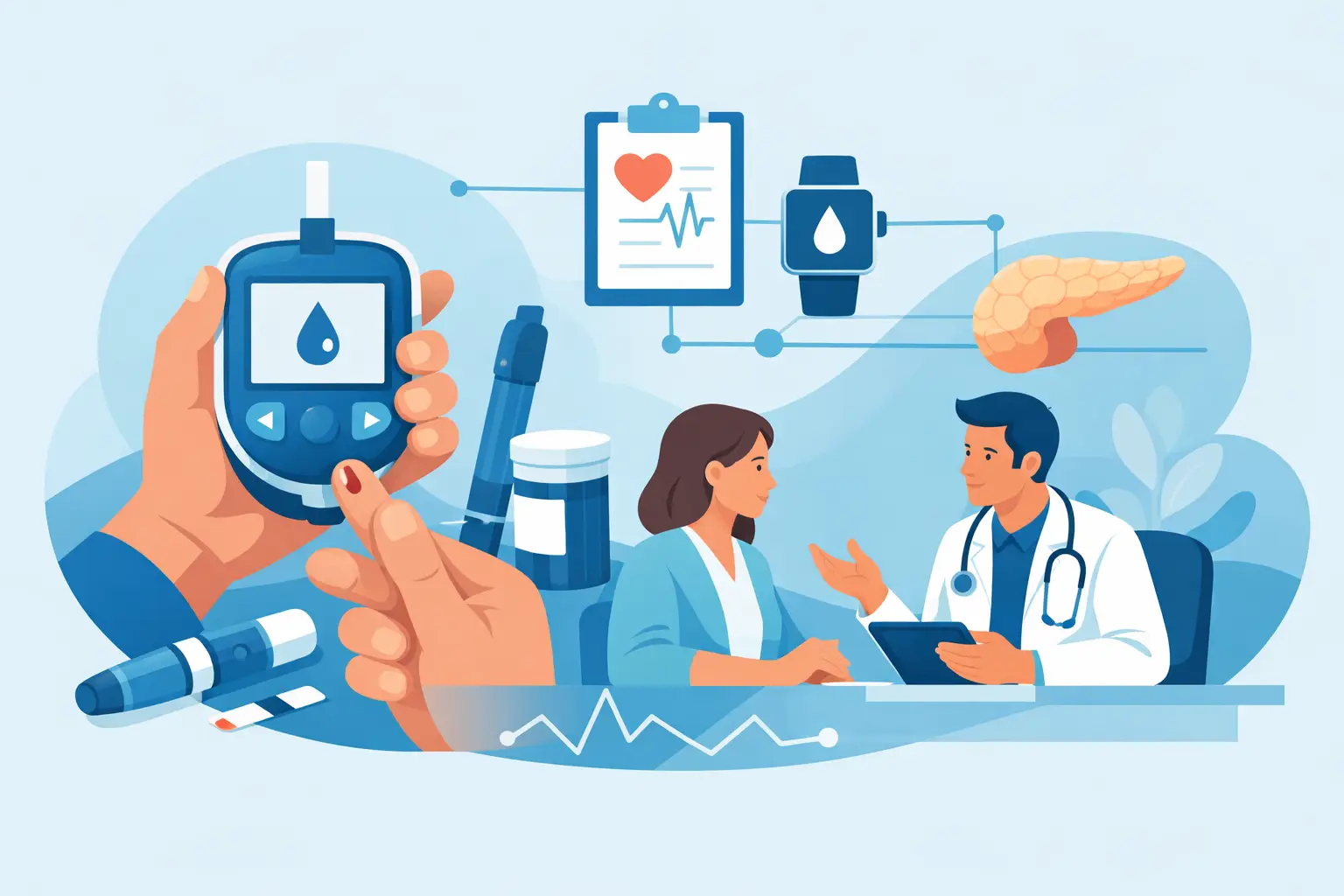
A1C results can look fine on paper while daily life still feels off. Maybe your blood sugar swings after meals, your energy drops in the afternoon, or you are not sure whether your medication, diet, and routine are working together the way they should. That is where diabetes monitoring with primary care becomes especially valuable. It gives you more than a number – it gives you an ongoing relationship with a provider who can connect your lab results, symptoms, habits, and long-term health goals.
For many adults, diabetes care is not just about managing glucose. It is about protecting the heart, kidneys, eyes, nerves, and overall quality of life while keeping treatment realistic enough to follow at home and at work. A primary care clinic can serve as the central place where those pieces come together.
Why diabetes monitoring with primary care works well
Diabetes is a condition that changes over time. Blood sugar patterns may shift with age, stress, illness, sleep, exercise, hormones, and other medications. A plan that worked six months ago may need adjustment now. Primary care is well suited to this kind of long-term follow-up because it is built around continuity.
Instead of treating diabetes as a one-time issue, your primary care provider tracks trends across visits. That includes A1C levels, blood pressure, weight, kidney function, cholesterol, foot health, and any symptoms that suggest your current plan needs attention. Just as important, your provider can look at the full picture. If you also have high blood pressure, high cholesterol, thyroid concerns, or heart risk factors, those issues can be managed together rather than in isolation.
This matters because diabetes rarely exists alone. The best outcomes usually come from coordinated care, clear communication, and regular check-ins that are tailored to the person, not just the diagnosis.
What your provider is actually monitoring
Patients sometimes hear the phrase “monitoring” and think it only means checking blood sugar. In reality, good diabetes monitoring is broader and more practical than that.
Your provider will often follow A1C to understand your average blood sugar over time, but they may also review home glucose readings or continuous glucose monitor trends if you use one. That helps identify patterns such as fasting highs, post-meal spikes, or occasional lows that an A1C alone may not show.
Blood pressure is another major part of the picture. High blood pressure and diabetes together can raise the risk of heart disease, stroke, and kidney problems. Cholesterol levels matter for similar reasons. Kidney function testing and urine screening can help catch early signs of damage before symptoms appear.
Routine foot checks and discussions about numbness, tingling, or slow-healing wounds are also important. So are eye exams, even if your vision seems fine. Diabetes-related changes can develop quietly, which is why preventive monitoring matters.
Just as valuable are the details that do not always show up in a chart. Are you missing meals because of your work schedule? Are your medications causing side effects? Is the cost of testing supplies making it hard to stay consistent? A strong primary care relationship creates room for those conversations, and that often leads to a safer, more realistic plan.
How often should diabetes be monitored?
It depends on your diagnosis, treatment, and how stable your numbers have been. Someone with well-controlled type 2 diabetes who has been on the same medications for a while may need a different follow-up schedule than someone who was recently diagnosed or is having frequent highs and lows.
In general, regular visits help your provider catch changes early. Lab work may be done at intervals based on your current control and overall health status. Medication adjustments, new symptoms, or related conditions may mean more frequent follow-up for a period of time. If your diabetes is affected by other issues such as infection, steroid treatment, poor sleep, or major life stress, those situations can also change how closely you need to be monitored.
The goal is not to bring you into the office more than necessary. The goal is to create the right rhythm of care for your needs so small issues do not turn into larger ones.
The role of daily habits in diabetes monitoring
One of the biggest benefits of primary care is that it connects clinical monitoring with everyday life. Numbers matter, but they only tell part of the story. Your provider can help you understand what is driving those numbers and where practical changes may make the biggest difference.
For one person, that might mean adjusting meal timing to reduce blood sugar swings. For another, it may mean improving sleep, starting gentle activity, or changing a medication schedule that is causing lows. Some patients need help making a plan that fits shift work or travel. Others need support after years of trying strict routines that were never sustainable.
This is where individualized care matters. Diabetes management should be medically sound, but it also has to be livable. A plan that looks perfect on paper but does not fit your routine is hard to maintain.
When primary care should involve other specialists
Primary care can manage a large portion of diabetes care, especially when monitoring is consistent and the condition is stable. But there are times when additional support is the right step.
If blood sugar remains difficult to control despite treatment, if insulin management becomes more complex, or if there are concerns about complications, your provider may recommend involving an endocrinologist or another specialist. Eye care, podiatry, kidney care, and cardiology may also be part of the picture depending on your health needs.
That does not reduce the importance of primary care. In many cases, primary care remains the home base, helping coordinate recommendations, track medications, and make sure nothing gets missed. For patients, that kind of coordination can make care feel much less fragmented.
What patients often overlook
Many people focus on whether their blood sugar is “good” or “bad” and miss the smaller warning signs that deserve attention. Increased thirst, more frequent urination, blurry vision, unusual fatigue, slow-healing cuts, numbness in the feet, and repeated infections should not be brushed off. Even subtle changes can signal that your plan needs to be updated.
It is also common to underestimate the effect of stress, inconsistent sleep, and illness. These factors can influence glucose control more than many patients expect. If your numbers have become less predictable, the issue may not be a lack of effort. It may be that your body, routine, or medication needs have changed.
That is another reason regular follow-up matters. Good diabetes monitoring is not about blame. It is about staying responsive as life changes.
Building a long-term plan through diabetes monitoring with primary care
The most effective diabetes care tends to be steady rather than dramatic. It often comes from small adjustments made over time, guided by a provider who knows your history and listens carefully to your concerns. Diabetes monitoring with primary care supports that process by making care more personal, more practical, and easier to adapt.
At a community-based clinic like Ekom Medical, that approach can feel especially meaningful. Patients are not just trying to get through one appointment. They are looking for a medical home where they can ask questions, review test results, and make informed decisions with a provider who sees the full picture.
If you are living with diabetes, the right follow-up plan should help you feel more confident, not more overwhelmed. Regular monitoring, clear communication, and thoughtful adjustments can go a long way toward protecting your health now while reducing the risk of problems later. A good primary care relationship brings those pieces together and gives you a steady place to turn as your needs evolve.

Comments are closed