

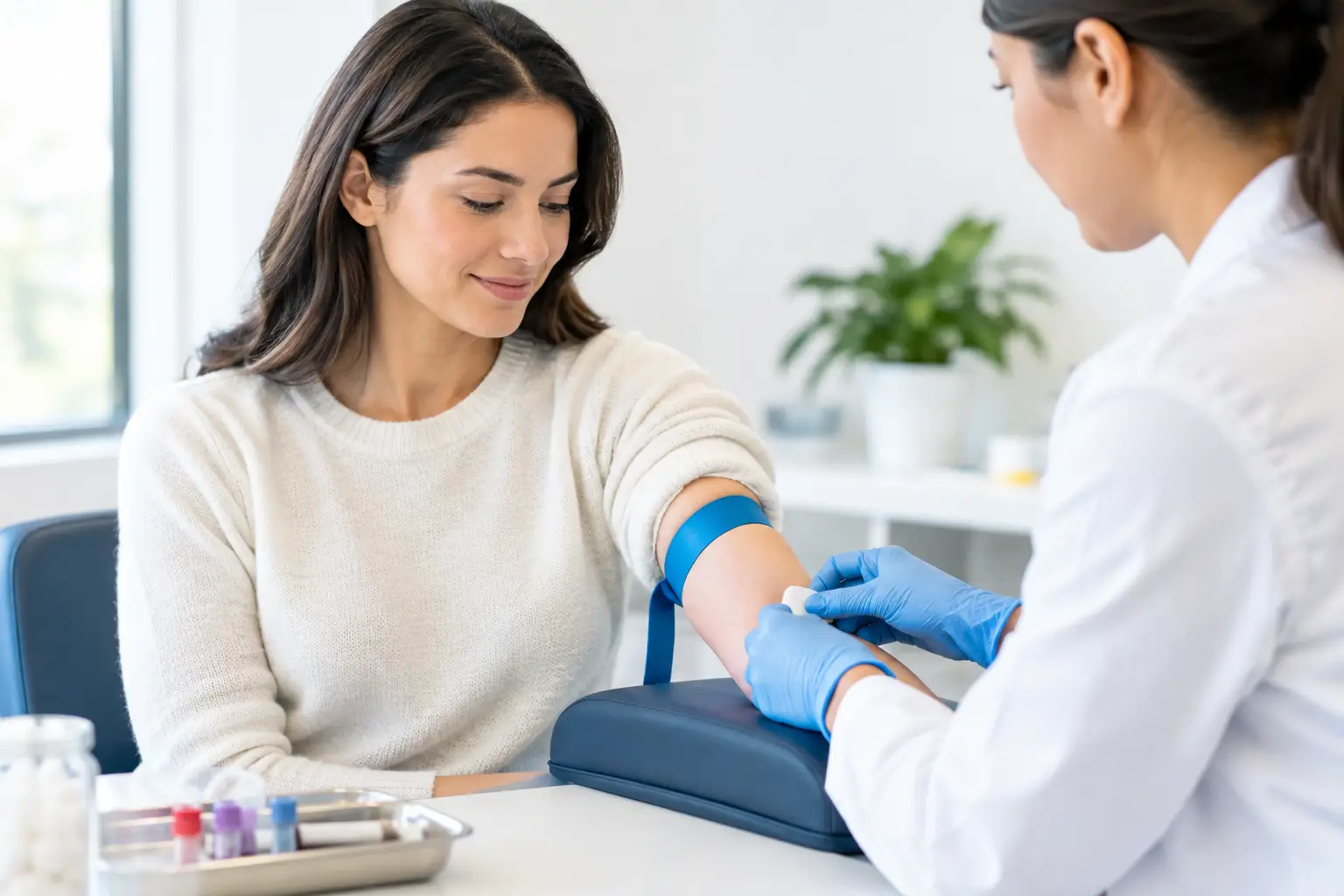
A blood test appointment may take only a few minutes, but the choices you make the night before can affect how clearly your results reflect your health. If your clinician has asked you to prepare fasting bloodwork, the goal is not to make the process difficult. It is to reduce short-term influences from food and certain drinks so your care team can interpret the results with greater confidence.
Fasting instructions are not identical for every test. A lipid panel, glucose test, metabolic panel, or follow-up testing for a chronic condition may have different requirements. The most reliable rule is simple: follow the instructions provided with your lab order, and ask before making assumptions.
What Fasting Bloodwork Usually Means
For most blood tests that require fasting, you will avoid food and beverages other than plain water for a set period before your blood draw. Eight to 12 hours is common, although your provider may recommend a shorter or longer window based on the specific labs being ordered.
Fasting helps limit the temporary changes that occur after eating. Carbohydrates can raise blood glucose, while a meal high in fat may affect triglyceride measurements. Some vitamins, supplements, and medications can also influence certain results. A fasting sample gives your provider a more consistent starting point when screening for health concerns or monitoring conditions such as diabetes, high cholesterol, thyroid disorders, or kidney disease.
Fasting does not mean you should go without water. In fact, drinking plain water is usually encouraged unless you have been given different instructions. Good hydration can make blood collection easier and may help you feel better during the appointment.
How to Prepare for Fasting Bloodwork the Night Before
A little planning can make fasting labs far less stressful. Schedule your appointment for the morning when possible. You can eat a normal, balanced dinner, begin your fast after your evening meal, and have your blood drawn before hunger becomes a major distraction.
Try not to treat the night before as a reason to eat an unusually large meal or choose foods you do not normally eat. A rich restaurant meal, alcohol, or a late-night snack may affect some results, particularly triglycerides and blood sugar. Your clinician is looking for information that helps guide your care, so normal routines generally provide the most useful context.
Alcohol deserves special attention. Depending on the test, it may influence blood sugar, triglycerides, liver-related measurements, hydration, and sleep. If your provider has not given you specific guidance, avoiding alcohol for at least 24 hours before bloodwork is often a sensible choice. Ask your care team if you have questions about your particular lab order.
Exercise can be another variable. Intense activity shortly before testing may temporarily affect glucose, muscle-related markers, and hydration status. A usual walk or everyday activity is generally different from an unusually strenuous workout. If you are having specialized testing or monitoring a medical condition, your provider can tell you whether to adjust your exercise routine beforehand.
What You Can Drink While Fasting
Plain water is the safest choice. It does not break a fast, and it supports hydration. Aim to drink water as you normally would rather than overdoing it just before the appointment.
Coffee, tea, juice, soda, energy drinks, flavored water, and sports drinks are generally not appropriate during a fast. Even black coffee may affect certain measurements and can make it harder to know whether your preparation influenced the result. Cream, sugar, milk, and sweeteners clearly add ingredients that can interfere with fasting instructions.
It is also best to avoid gum, mints, cough drops, and candy. These may contain sugar or sweeteners, and some can stimulate digestive activity. If fasting instructions are unclear, water only is the simplest approach until your blood draw is complete.
Medications and Supplements Need Individual Guidance
Do not stop a prescription medication on your own just because you are fasting. Many medications should be taken as scheduled, often with a small sip of water. Others may need to be timed differently because they can affect the test itself or because taking them without food could make you feel unwell.
This is particularly important for people taking insulin or other diabetes medications. Fasting while taking a medication that lowers blood sugar can increase the risk of hypoglycemia. Your prescribing clinician should give you a personalized plan for the morning of your test. If you have diabetes and did not receive instructions, call the office before you begin fasting.
Supplements also deserve a mention. Biotin, often found in hair, skin, and nail products, can interfere with some laboratory tests, including certain thyroid and heart-related tests. Iron, multivitamins, herbal products, and nutritional supplements may matter depending on what is being measured. Bring a current list of everything you take, including over-the-counter products, so your provider has the full picture.
The Morning of Your Blood Draw
Set yourself up for an easier visit by confirming the time, location, and fasting duration the day before. Wear clothing with sleeves that can be rolled up comfortably. Bring a photo ID, insurance information if needed, and your lab order if your testing site requires it.
If you feel lightheaded, shaky, sweaty, confused, or unusually weak while fasting, do not try to push through it. This is especially important if you use glucose-lowering medication or have a history of low blood sugar. Treat urgent symptoms appropriately and contact your healthcare team for advice. Your safety matters more than completing a test on a particular day.
After your blood is drawn, you can usually return to your regular meals and medications unless your provider says otherwise. It can help to bring a snack for afterward, particularly if you have a long drive, a busy morning, or tend to feel faint after bloodwork. Choose something with protein and fiber, such as yogurt, nuts, cheese with whole-grain crackers, or a simple breakfast you enjoy.
Common Fasting Mistakes and What to Do
The most common issue is forgetting and having coffee, breakfast, or a snack before the appointment. If that happens, be honest with the lab staff and your care team. Do not assume a small amount will not matter. They can tell you whether the blood draw can proceed, whether the result can still be interpreted, or whether rescheduling would be better.
Another mistake is fasting for too long. More is not necessarily better. A fast that extends well beyond the recommended time can also affect how you feel and may alter some measurements. Follow the requested window rather than beginning your fast much earlier than necessary.
Finally, do not skip fasting just because a previous blood test did not require it. Lab orders can change based on the reason for testing. A routine annual visit, medication follow-up, or evaluation of new symptoms may involve different tests and different preparation.
When to Ask Your Primary Care Team
Call before your appointment if you are unsure whether you need to fast, how long to fast, or whether you should take your morning medication. It is also wise to ask if you are pregnant, have diabetes, are managing kidney disease, have had fainting episodes with blood draws, or have been told to follow a specialized diet.
At Ekom Medical, personalized primary care means looking beyond a lab number alone. Your provider considers your symptoms, medical history, medications, and overall health when discussing results and next steps. A result outside the reference range does not always mean something is wrong, and a normal result does not replace an ongoing conversation about how you feel.
Preparing well can make your lab visit smoother, but you do not have to figure out every detail alone. When instructions are unclear, a quick call to your healthcare team can replace uncertainty with a plan that fits your health needs.

Comments are closed