

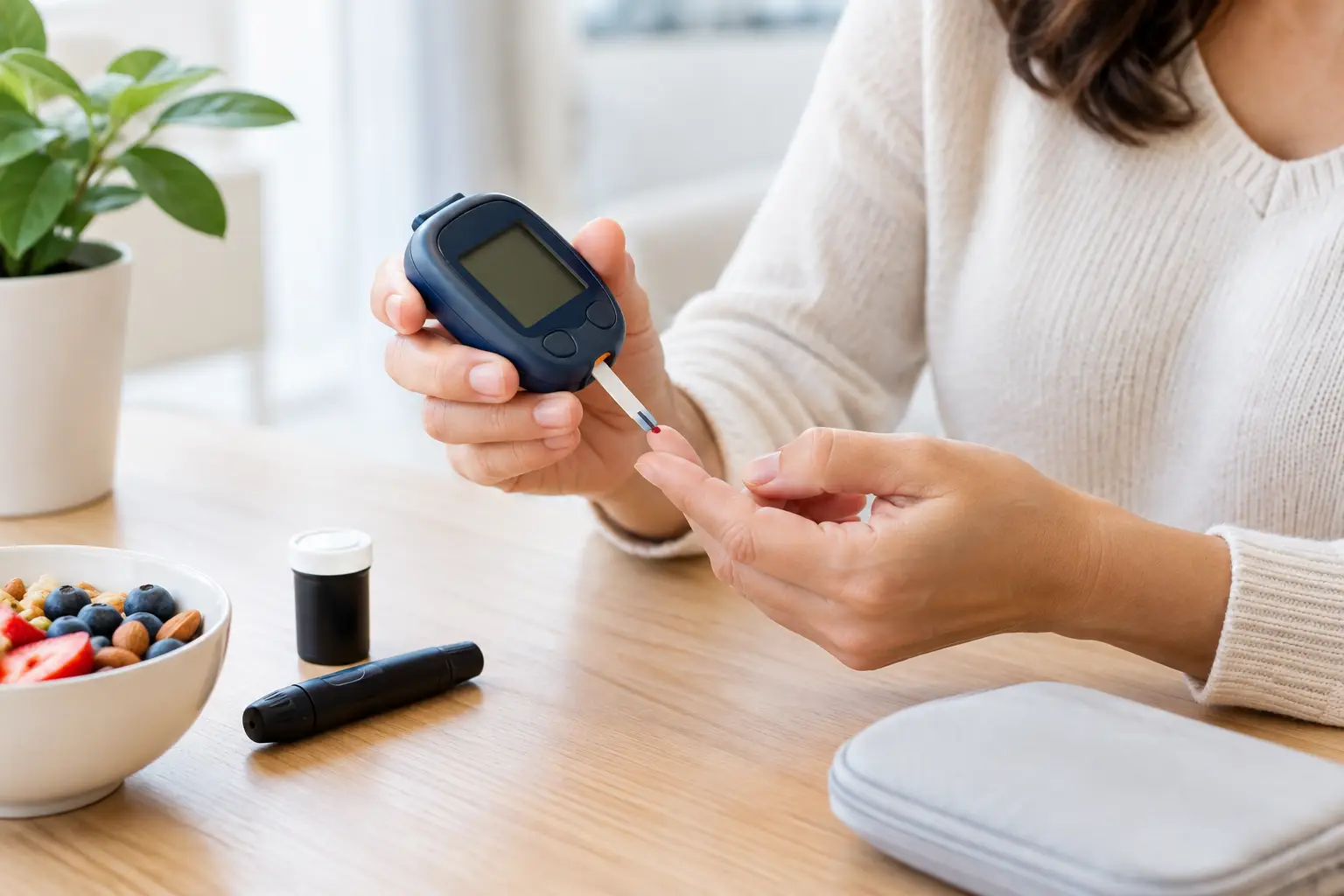
A glucose meter gives you a snapshot, not a grade. One number can be affected by what you ate, when you tested, a missed medication dose, stress, illness, or even sugar residue on your fingertips. Learning to interpret home glucose readings means looking at the timing, the trend, and how you feel – then using that information with your healthcare provider to make thoughtful decisions about your care.
For adults managing diabetes or prediabetes, home monitoring can make daily choices feel less uncertain. It can also reveal patterns that an office test may not capture. The goal is not perfection. It is to understand what your body is telling you and know when support is needed.
Start With the Timing of Your Reading
A number only has meaning when you know when and why it was checked. Write down the time of your test, whether it was before or after eating, what you ate, activity, medication changes, and any symptoms. A simple paper log, phone note, or glucose-monitoring app can make recurring patterns easier to see.
A fasting glucose reading is usually checked first thing in the morning before food or drink, aside from water. It reflects how your body is managing glucose overnight. A pre-meal reading is taken before a meal, while a post-meal reading is often checked one to two hours after the start of a meal. Your provider may recommend a specific schedule based on your diagnosis, medications, and overall goals.
For many nonpregnant adults with diabetes, common blood glucose targets are 80 to 130 mg/dL before meals and less than 180 mg/dL one to two hours after beginning a meal. These are general guidelines, not personal instructions. Older adults, people at risk for low blood sugar, and those with certain health conditions may need different targets. Your individualized plan should always take priority.
How to Interpret Home Glucose Readings in Context
A fasting result that is repeatedly above your target may suggest that your glucose is rising overnight or that your current treatment plan needs review. Sometimes this happens because the liver releases stored glucose in the early morning hours. Illness, poor sleep, stress, late-evening meals, and certain medications can also affect morning readings.
Higher readings after meals can offer useful clues about meal portions, carbohydrate choices, timing of medication, and physical activity. For example, a reading that is consistently elevated after a certain breakfast may be worth discussing with your provider. The answer is not always to avoid all carbohydrates. Often, meal balance, portion size, fiber, protein, and the timing of a short walk can make a meaningful difference.
One isolated high reading is usually less concerning than a repeated pattern. Before assuming something is wrong, consider whether you tested soon after eating, were fighting an infection, had an unusually stressful day, or used a new medication. If the same pattern appears over several days, bring your record to your next appointment or contact your care team sooner.
Low readings deserve prompt attention. Blood glucose below 70 mg/dL is generally considered low for most people with diabetes. Symptoms may include shakiness, sweating, hunger, dizziness, headache, irritability, confusion, weakness, or a fast heartbeat. Some people, especially those who have had diabetes for many years, may not notice symptoms right away.
If your reading is low and you are awake and able to swallow safely, the usual approach is to take 15 grams of fast-acting carbohydrate, such as glucose tablets, regular juice, or regular soda, then recheck in 15 minutes. Repeat if still low. Follow the instructions your provider has given you, especially if you use insulin or medications that can cause hypoglycemia. If someone is confused, having a seizure, unconscious, or unable to swallow, emergency help is needed immediately.
Make Sure the Number Is Accurate
Before changing food, activity, or medication based on a surprising reading, make sure the test itself was reliable. Wash your hands with soap and water, then dry them completely before testing. Fruit, lotion, or food residue can cause a falsely high result. Alcohol-based hand sanitizer may not remove all sugar residue and should dry fully if used.
Use test strips that match your meter, are stored as directed, and have not expired. Extreme Arizona heat can damage meters and strips, so avoid leaving supplies in a parked car, direct sunlight, or other very hot places. If a reading does not match how you feel, repeat the test with clean, dry hands and a new strip.
Meters are very helpful, but they are not identical to laboratory testing. A home result can vary somewhat from a lab value. If you have repeated unexpected results, your provider may ask you to bring your meter to the office so it can be reviewed alongside your testing technique and, when appropriate, compared with a laboratory test.
Know What A1C Adds to the Picture
Your A1C is a blood test that estimates your average glucose level over roughly the previous two to three months. It gives a broader view than a finger-stick reading, but it cannot show the daily highs and lows that affect how you feel.
That is why home readings and A1C work best together. A person can have an A1C near their goal while still experiencing frequent lows and highs that average out. On the other hand, a few days of higher home readings do not necessarily mean your A1C has changed significantly. Your clinician can help connect these pieces and decide whether any adjustment is appropriate.
When a Reading Calls for Medical Guidance
Contact your primary care provider if you are seeing readings above or below your personal target repeatedly, if low blood sugar is occurring more than once, or if you are unsure how to respond to a new pattern. Keep a record of the readings, timing, symptoms, meals, and medication changes. That information allows for a more personalized conversation than a number alone.
Seek urgent medical evaluation for persistent very high glucose, especially if it is accompanied by vomiting, stomach pain, rapid or deep breathing, confusion, severe weakness, or signs of dehydration. If you have been instructed to check ketones during illness or when glucose is high, follow that plan carefully. Do not wait for a routine appointment if you feel seriously unwell.
It is also wise to call if you cannot keep fluids down, have a fever or infection that is making glucose difficult to manage, or have frequent readings below 70 mg/dL. Medication changes should be guided by a clinician who understands your full health history, rather than made in response to one unexpected test.
Turn Readings Into a Conversation
Bring your meter or glucose log to routine visits. Instead of saying that your numbers have been high, share specifics: whether the pattern is fasting, after dinner, during exercise, or at a certain time after medication. This helps your provider look for practical next steps, whether that means reviewing meals, checking for an underlying illness, adjusting a monitoring plan, or considering changes to treatment.
At Ekom Medical, patients managing diabetes receive care that considers the whole person, including other health conditions, lifestyle, preferences, and the realities of daily life. A plan that feels realistic is more likely to support steady progress over time.
Your readings are information, not a reason for self-blame. Use them with curiosity, record what you notice, and let consistent patterns guide a conversation with a trusted healthcare partner. Small, informed changes can build greater confidence in day-to-day glucose management.

Comments are closed