

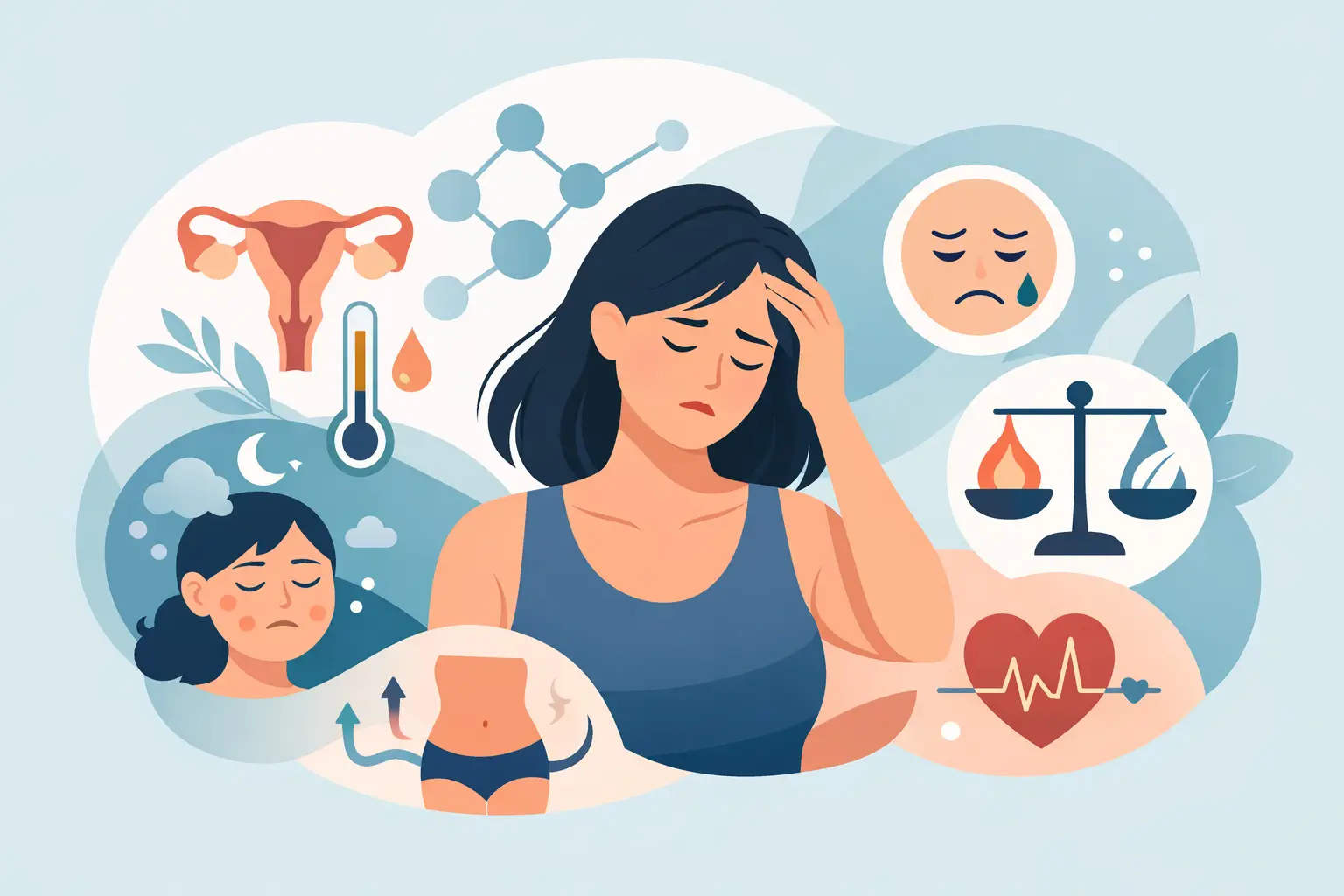
Feeling exhausted after a full night of sleep, suddenly gaining weight, or noticing that your mood and concentration feel different can be frustrating, especially when there is no obvious explanation. This guide to hormone imbalance symptoms can help you recognize patterns worth discussing with a primary care provider, while keeping one fact clear: symptoms alone cannot confirm a hormone problem.
Hormones are chemical messengers that influence metabolism, sleep, reproductive health, stress response, mood, blood sugar, and more. Because they affect so many systems, an imbalance may feel vague at first. A thoughtful medical evaluation helps separate hormonal concerns from other common causes, including medication effects, nutritional deficiencies, sleep problems, thyroid disease, diabetes, and mental health conditions.
Guide to Hormone Imbalance Symptoms: What to Notice
Hormone-related symptoms often develop gradually. You may notice a change in energy, sleep, body temperature, appetite, menstrual cycles, sexual health, or emotional well-being. One symptom by itself is not always meaningful, but a persistent change or several symptoms occurring together deserves attention.
Common symptoms that may be associated with hormonal changes include:
- Fatigue that does not improve with rest or a noticeable decrease in stamina
- Weight gain or weight loss without a clear change in eating habits or activity
- Changes in sleep, including trouble falling asleep, waking often, or night sweats
- Feeling unusually anxious, irritable, low in mood, or mentally foggy
- Hair thinning, dry skin, acne, or other changes in skin and hair texture
- Feeling unusually cold or hot, frequent sweating, or new sensitivity to temperature
- Changes in libido, sexual function, or vaginal dryness
- Irregular, heavier, lighter, or missed menstrual periods
These concerns can be disruptive, but they are also common. The goal is not to self-diagnose from a symptom checklist. The goal is to bring a clear history to your appointment so your provider can look at the full picture.
Symptoms can look different from person to person
For women, shifting estrogen and progesterone levels may contribute to menstrual changes, hot flashes, night sweats, sleep disruption, mood changes, or vaginal dryness. These symptoms can occur during perimenopause, menopause, after pregnancy, or with certain medical conditions.
For men, changes in testosterone may be associated with reduced libido, erectile concerns, lower energy, decreased muscle mass, mood changes, or reduced motivation. However, these symptoms can also be related to sleep apnea, diabetes, depression, medication use, cardiovascular risk factors, and other health concerns. Testing and clinical context both matter.
Thyroid hormones affect people of all sexes and ages. An underactive thyroid may be linked with fatigue, constipation, dry skin, weight gain, and feeling cold. An overactive thyroid can cause palpitations, weight loss, tremor, anxiety, heat intolerance, and frequent bowel movements. These patterns are useful clues, not final answers.
Why symptoms are not enough for a diagnosis
Online symptom lists can be helpful for starting a conversation, but they can also make nearly every health concern seem hormonal. Fatigue, weight changes, and mood shifts are particularly nonspecific. A demanding schedule, inconsistent sleep, dehydration, changes in physical activity, grief, infection, medication changes, or an underlying chronic condition may produce similar symptoms.
Your provider will usually begin by asking when the symptoms started, whether they are getting worse, and how they affect your daily life. They may review your menstrual history when relevant, medications and supplements, family history, diet, sleep habits, and existing conditions such as diabetes or thyroid disease.
A physical exam may provide useful information as well. Depending on your symptoms, testing might include thyroid studies, blood sugar testing, a complete blood count, metabolic testing, and selected hormone tests. Not every patient needs an extensive hormone panel. Testing should be guided by your history, exam, age, symptoms, and the specific question your provider is trying to answer.
Timing can affect hormone test results
Hormone levels naturally rise and fall throughout the day and, for many women, across the menstrual cycle. Some tests need to be performed at a particular time to be interpreted accurately. Supplements can also affect certain results, which is why it is wise to bring a complete list of vitamins, herbs, and over-the-counter products to your visit.
A single test result does not always tell the whole story. Your provider may compare results with your symptoms, repeat a test when appropriate, or monitor changes over time. This approach can feel less immediate than ordering every possible test at once, but it is often more accurate and more likely to lead to care that fits your needs.
When to schedule a medical visit
Consider making an appointment if symptoms have lasted more than a few weeks, are interfering with work or home life, or continue despite healthy changes in sleep, nutrition, and activity. You should also seek evaluation for significant menstrual changes, new sexual health concerns, unexplained weight changes, persistent heat or cold intolerance, or fatigue that is affecting your ability to function.
Some symptoms need more urgent attention. Seek prompt medical care for chest pain, shortness of breath, fainting, severe weakness, confusion, sudden severe headache, or a rapid or irregular heartbeat that does not settle. These symptoms are not something to attribute to hormones without evaluation.
For adults in Glendale and nearby communities, having a consistent primary care relationship can make this process easier. When a provider knows your health history, medications, previous test results, and long-term goals, they can more readily identify what has changed and recommend appropriate next steps.
Treatment depends on the cause
There is no single treatment for hormone imbalance symptoms because there is no single cause. For some people, treating thyroid disease, improving blood sugar management, adjusting a medication, or addressing a nutritional deficiency can make a meaningful difference. For others, support may focus on sleep, nutrition, weight management, stress reduction, or treatment for a condition that is contributing to symptoms.
When menopause-related symptoms or clinically confirmed hormone deficiencies are involved, hormone therapy may be one option. The decision should be individualized. Your provider should review your symptoms, health history, personal and family risk factors, current medications, and treatment preferences before recommending any therapy.
Bioidentical hormone replacement therapy may be appropriate for some patients, but it is not automatically the best choice for everyone. The type of hormone, dose, delivery method, and monitoring plan matter. A careful conversation about expected benefits, possible risks, and alternatives helps you make an informed decision rather than choosing treatment based on marketing claims or a single lab number.
Small details make appointments more productive
Before your visit, write down when symptoms began and whether they are constant or come and go. Include changes in periods, sleep, appetite, weight, mood, energy, and sexual health when relevant. If you have home readings for blood pressure or blood sugar, bring those as well.
It can also help to note recent life changes, new medications, and supplements. This information gives your provider a clearer starting point and may prevent unnecessary testing. Be honest about what you hope will improve, whether that is better sleep, steadier energy, fewer hot flashes, improved mood, or confidence in understanding what your body is telling you.
A patient-centered path forward
Persistent symptoms deserve to be heard, even when the cause is not obvious. At Ekom Medical, the focus is on listening carefully, evaluating thoroughly, and creating a plan that considers both your symptoms and your overall health.
You do not need to have the right label before scheduling a visit. Start with the changes you have noticed, ask questions, and give yourself the benefit of a careful medical evaluation. Clear answers may take time, but compassionate, consistent care can help you move forward with greater confidence.

Comments are closed