

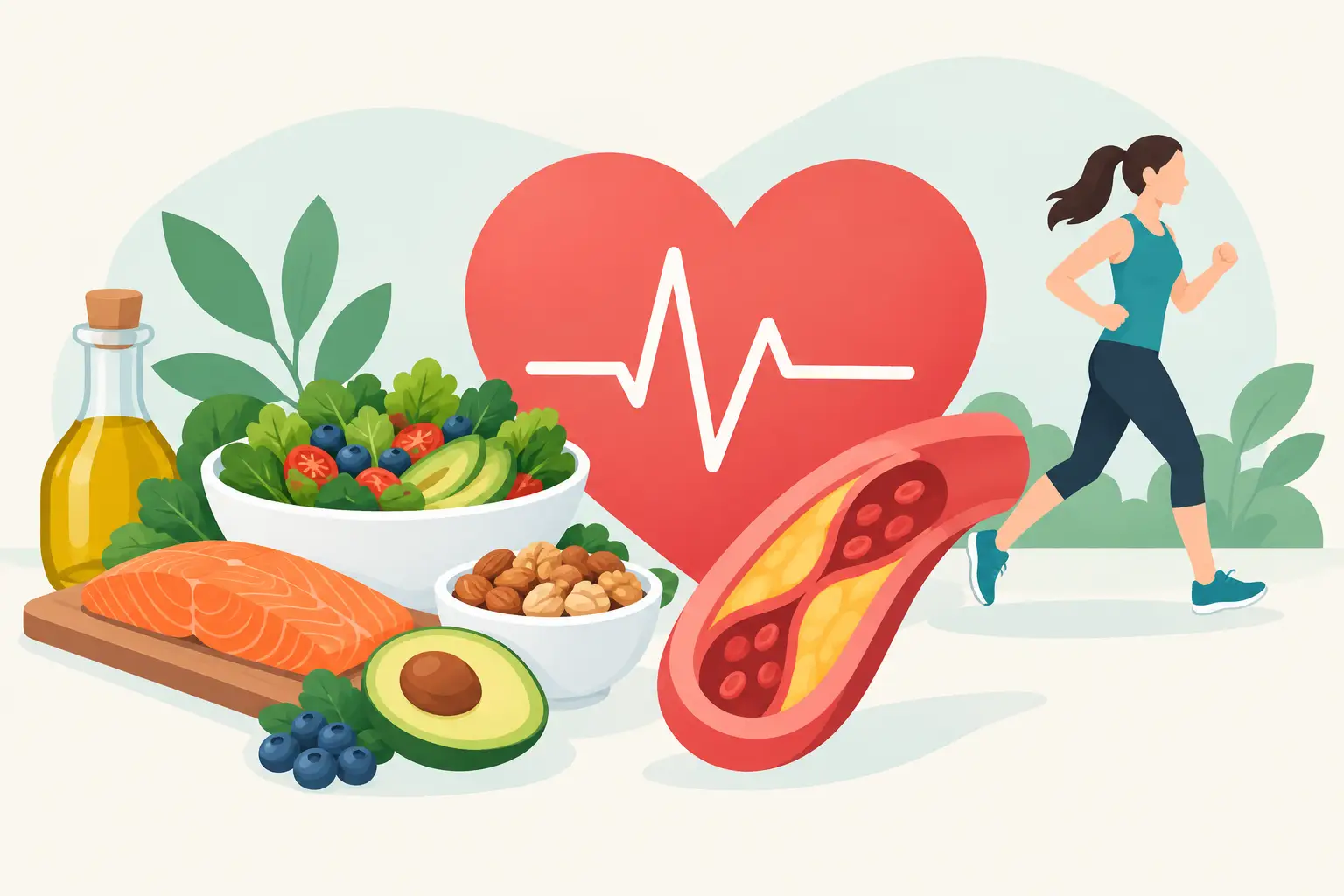
A cholesterol result can feel alarming, especially when a routine blood test shows a higher LDL number than expected. Learning how to manage cholesterol naturally can be a meaningful first step, but the goal is not to chase one lab value with extreme rules. It is to build sustainable habits that support your heart, fit your life, and work alongside the care your health needs.
Cholesterol management is personal. Your age, blood pressure, diabetes status, family history, kidney health, smoking history, and previous heart or stroke events all affect what a healthy treatment plan should look like. Natural strategies can make a measurable difference for many people, but they do not replace medical guidance when cardiovascular risk is high.
Understand What Your Cholesterol Numbers Mean
Cholesterol is a waxy substance your body needs for hormone production, cell function, and digestion. The concern is not that cholesterol exists, but that certain patterns can raise the risk of plaque buildup in the arteries over time.
LDL cholesterol is often called bad cholesterol because higher levels can contribute to plaque formation. HDL cholesterol is often called good cholesterol because it helps transport cholesterol away from the bloodstream. Triglycerides are another type of blood fat that may rise with excess added sugar, refined carbohydrates, alcohol, uncontrolled diabetes, and some medical conditions.
A complete lipid panel is more useful than focusing on a single number. Your provider may also consider non-HDL cholesterol, which reflects several cholesterol-containing particles associated with cardiovascular risk. The right target depends on the whole picture, not just whether a result is marked high on a lab report.
How to Manage Cholesterol Naturally Through Food
Food choices can have a substantial effect on LDL cholesterol and triglycerides. Rather than trying to follow a perfect diet, focus on patterns you can continue most days. A heart-supportive eating plan generally emphasizes plants, fiber-rich foods, unsaturated fats, and minimally processed meals.
Add More Soluble Fiber
Soluble fiber helps reduce LDL cholesterol by binding to bile acids in the digestive tract. Good sources include oats, barley, beans, lentils, apples, citrus fruits, berries, chia seeds, flaxseed, and vegetables.
A practical place to begin is breakfast. Oatmeal topped with berries and ground flaxseed, or a high-fiber cereal with fruit, can be an easy change. At lunch or dinner, replace part of the meat in soups, tacos, or salads with beans or lentils. Increase fiber gradually and drink enough water to help avoid bloating or constipation.
Choose Fats That Support Heart Health
The type of fat matters more than simply trying to eat as little fat as possible. Unsaturated fats, found in olive oil, avocado, nuts, seeds, and fish, can support healthier cholesterol levels when they replace saturated fats.
Saturated fat is common in fatty cuts of red meat, bacon, sausage, butter, full-fat dairy, fried foods, and many packaged baked goods. You do not have to eliminate every favorite food. Consider smaller portions, less frequent use, and simple substitutions, such as olive oil instead of butter or fish and beans more often than processed meats.
For people with high triglycerides, reducing added sugars and refined carbohydrates can be especially helpful. Sweetened drinks, candy, pastries, white bread, and oversized portions of rice or pasta can raise triglycerides in some individuals. Choosing water, sparkling water without added sugar, whole grains, and balanced meals may help bring them down.
Make Protein Choices Work for You
Protein is important, but its source affects the overall pattern of your diet. Fish, poultry, beans, lentils, tofu, and plain Greek yogurt are often useful options. Fatty fish such as salmon, sardines, and trout provide omega-3 fats, which can be particularly helpful for triglyceride management.
Some people benefit from planning meals ahead, while others do better with a few reliable choices they can order or prepare quickly. The best approach is the one you can maintain during busy workweeks, family meals, and social events.
Move Consistently, Not Perfectly
Regular physical activity can improve triglycerides, support HDL cholesterol, help with blood pressure, and make weight management easier. It also benefits mood, sleep, blood sugar, and overall cardiovascular health.
Aim for at least 150 minutes of moderate activity per week, if your health allows. This can be brisk walking, swimming, cycling, dancing, or fitness classes. It does not need to happen all at once. A 20- to 30-minute walk on most days is a strong foundation.
Strength training two days a week can add further benefits by helping maintain muscle and support metabolism. If you have been inactive or have symptoms such as chest discomfort, unusual shortness of breath, dizziness, or leg pain with activity, speak with a healthcare provider before starting a more demanding routine.
In Glendale’s hotter months, early morning walks, indoor walking, mall laps, swimming, or home-based strength exercises can make consistency more realistic. The best workout is often the one that remains safe and comfortable in your daily environment.
Pay Attention to Weight, Sleep, and Alcohol
If you are carrying excess weight, even modest weight loss may improve LDL cholesterol and triglycerides. A goal of losing 5% to 10% of body weight can create meaningful metabolic benefits for many people. However, restrictive dieting is not the only answer. Building meals around fiber, protein, and minimally processed foods often supports gradual progress without an all-or-nothing mindset.
Sleep also matters. Poor or irregular sleep can make it harder to manage appetite, blood sugar, stress, and exercise habits. Aim for a consistent sleep schedule and discuss persistent snoring, daytime fatigue, or waking up gasping, since sleep apnea can affect heart health.
Alcohol is another area where the answer depends on the person. Alcohol can raise triglycerides, especially when intake is frequent or higher than moderate. If your triglycerides are elevated, reducing or avoiding alcohol may be an important part of your plan. Do not start drinking for potential heart benefits.
Use Supplements Carefully
Supplements are often marketed as a natural solution for cholesterol, but natural does not automatically mean safe, effective, or appropriate for everyone. Some products can interact with prescription medications or affect the liver, kidneys, blood pressure, or blood sugar.
Psyllium fiber and plant sterols may help lower LDL cholesterol for some people when used appropriately. Prescription-strength omega-3 treatments may be considered for significantly elevated triglycerides, while over-the-counter fish oil products vary widely in quality and dose. Red yeast rice deserves particular caution because its active ingredient can act similarly to a statin, yet its potency and purity are inconsistent.
Before taking a cholesterol supplement, review it with your primary care provider or pharmacist. This is particularly important if you take medication for blood pressure, diabetes, thyroid conditions, kidney disease, or other ongoing health concerns.
Track Progress With Follow-Up Testing
Lifestyle changes take time. Many people need about eight to 12 weeks of consistent changes before a repeat lipid panel shows the direction of progress. Your provider can help determine when testing makes sense and whether fasting is needed for your situation.
Keep the process simple by focusing on a few specific actions:
- Eat a fiber-rich breakfast most days.
- Include beans, vegetables, or both in at least one meal daily.
- Walk or do another enjoyable activity on most days of the week.
- Replace sugary drinks with water or unsweetened options.
- Review alcohol intake honestly, especially if triglycerides are high.
Tracking meals or exercise can help some people identify patterns, but it is not required. A short weekly check-in with yourself can be enough: What felt doable? What got in the way? What is one adjustment you can make this week?
When Natural Changes May Not Be Enough
Lifestyle care and medication are not opposing choices. For someone with very high LDL cholesterol, diabetes, established heart disease, chronic kidney disease, or a strong family history of early heart disease, medication may be recommended even with excellent habits. In these situations, medication helps lower risk in a way lifestyle changes alone may not achieve.
Taking a statin or another cholesterol-lowering medication is not a personal failure. It is one tool in a larger prevention plan. Likewise, never stop a prescribed medication without discussing it with the clinician who manages your care.
A thoughtful cholesterol plan should leave you feeling informed, not judged. At Ekom Medical, individualized primary care can help connect your lab results, health history, daily routines, and treatment options into a plan that feels practical. Small, repeatable choices made over time can protect your heart and give you a clearer path forward.

Comments are closed