

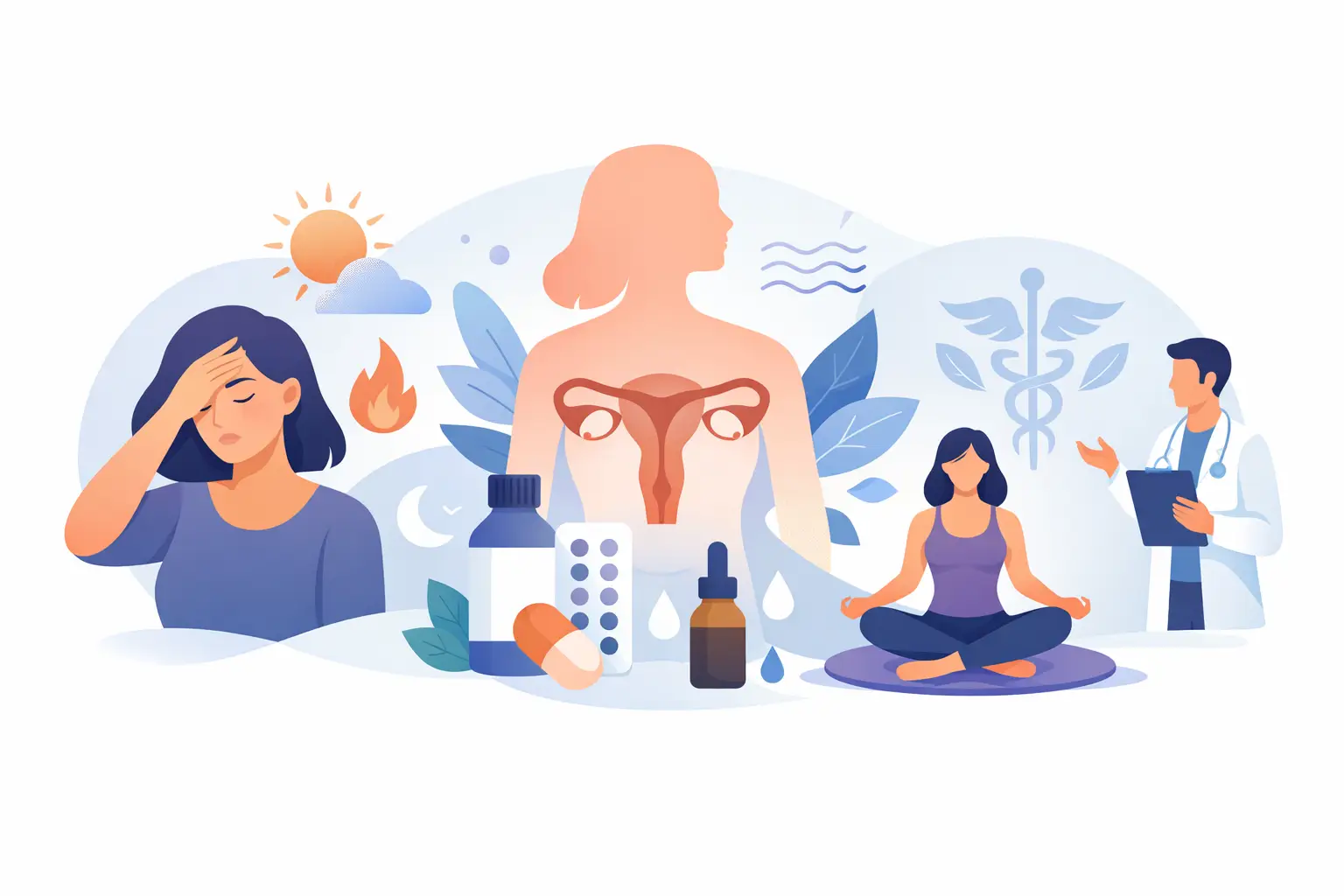
A hot flash that interrupts a meeting, sleep that suddenly feels out of reach, or mood changes that do not feel like you can be frustrating and isolating. Menopause symptom treatment options are not one-size-fits-all. The right plan starts with listening closely to what has changed, how symptoms affect your day, and what matters most for your health and comfort.
Menopause is a normal transition, but that does not mean you have to simply endure symptoms. Thoughtful primary care can help you understand your choices, weigh benefits and risks, and adjust treatment as your needs change.
Why menopause symptoms can look so different
Perimenopause is the period leading up to menopause, when hormone levels can rise and fall unpredictably. Menopause is reached after 12 consecutive months without a menstrual period. For some people, this transition brings mild symptoms. For others, symptoms can be disruptive for years.
Common concerns include hot flashes, night sweats, irregular periods, vaginal dryness, discomfort with intimacy, sleep difficulties, brain fog, changes in mood, and urinary symptoms such as urgency or frequent infections. Weight changes and joint aches may also occur around midlife, although they can have several contributing causes.
A careful evaluation matters because not every new symptom is caused by menopause. Thyroid conditions, medication effects, anemia, sleep disorders, anxiety, and other health concerns can overlap with menopausal symptoms. A clinician can review your medical history, current medications, menstrual changes, and overall health before recommending care.
Menopause symptom treatment options begin with your goals
There is no single “best” treatment. A person mainly bothered by vaginal dryness may need a very different approach than someone waking several times nightly with drenching sweats. Your personal and family health history also matters, including your history of blood clots, stroke, heart disease, breast or uterine cancer, liver disease, migraines, and unexplained vaginal bleeding.
Your care plan may focus on reducing hot flashes, improving sleep, restoring vaginal comfort, protecting bone health, or managing several concerns at once. It should also account for conditions such as diabetes, hypertension, thyroid disease, or kidney disease that may influence medication choices and long-term wellness.
Lifestyle support for milder symptoms
Daily habits will not eliminate every menopausal symptom, but they can meaningfully reduce triggers and support sleep, mood, and cardiometabolic health. Many patients find it helpful to identify personal hot-flash triggers, which may include alcohol, spicy foods, caffeine, warm rooms, or stress.
Regular physical activity can support bone strength, heart health, energy, and mood. A mix of walking or other aerobic movement, strength training, and balance-focused exercise is often a practical place to start. Consistent meals with adequate protein, fiber, calcium-rich foods, and vitamin D can support overall health as the body changes.
For sleep, simple adjustments can help: keep the bedroom cool, use breathable bedding, maintain a regular bedtime, and limit late-day caffeine or alcohol. If insomnia persists, it deserves attention rather than dismissal. Poor sleep can intensify hot flashes, irritability, concentration problems, and fatigue.
Hormone therapy for hot flashes and night sweats
Menopausal hormone therapy is the most effective treatment for moderate to severe hot flashes and night sweats for many appropriate candidates. It generally involves estrogen, delivered as a pill, patch, gel, spray, or other formulation. If you still have a uterus, a form of progestogen is typically needed along with systemic estrogen to protect the uterine lining.
The decision to use hormone therapy is individualized. Factors such as your age, time since menopause, symptom severity, personal medical history, and treatment preferences guide the conversation. For many healthy patients who begin treatment near menopause, the benefits can outweigh the risks, but that is not true for everyone.
Hormone therapy requires ongoing follow-up. Your clinician may adjust the dose or delivery method based on symptom relief, side effects, blood pressure, health changes, and your goals. The aim is not to use a standard dose forever. It is to use the most appropriate plan for you and reassess it regularly.
Some patients ask about bioidentical hormone replacement therapy, often called BHRT. The term can refer to hormones that are chemically identical to those naturally made by the body, including certain FDA-approved options, as well as customized compounded products. These are not interchangeable categories. FDA-approved therapies have standardized dosing and quality oversight, while compounded products may be considered in specific circumstances but do not undergo the same approval process. A clear conversation about safety, quality, and expected benefits is essential.
Local treatment for vaginal and urinary symptoms
Genitourinary symptoms of menopause can include vaginal dryness, burning, itching, discomfort during intimacy, and urinary urgency or recurrent urinary infections. These symptoms often become more noticeable over time without treatment, but effective options are available.
Nonhormonal vaginal moisturizers and lubricants can provide relief, particularly for mild symptoms. For persistent symptoms, low-dose vaginal estrogen may be a highly effective option. Because it works primarily in vaginal tissues and has minimal systemic absorption, it may be appropriate for many people who are not candidates for systemic hormone therapy. Still, treatment should be discussed with a clinician, especially if you have a history of hormone-sensitive cancer or other complex health concerns.
Other prescription treatments may be available when vaginal estrogen is not preferred or suitable. The best choice depends on your symptoms, medical history, cost considerations, and comfort with the treatment method.
Nonhormonal prescription options
If hormone therapy is not right for you, or you prefer not to use it, nonhormonal medications can help reduce hot flashes and night sweats. Depending on your needs, a clinician may discuss certain antidepressant medications, gabapentin, clonidine, or newer nonhormonal therapies designed for vasomotor symptoms.
These options have trade-offs. One medicine may help hot flashes but cause drowsiness, dry mouth, dizziness, or changes in blood pressure. Another may be useful when anxiety or low mood also needs treatment. The goal is to select a medication that fits your full health picture, not just one symptom.
Do not overlook bone, heart, and preventive care
The years around menopause are also an important time to review preventive health. Declining estrogen can contribute to bone loss, while age and changing metabolism can affect cholesterol, blood pressure, blood sugar, and weight.
Your primary care visit may include discussion of bone density screening, calcium and vitamin D intake, fall prevention, strength training, cholesterol testing, diabetes screening, and routine cancer screenings. These conversations are not meant to add to your to-do list. They are a practical way to address risks early and protect your health in the years ahead.
When to make an appointment
Schedule an evaluation if symptoms are interfering with sleep, work, relationships, exercise, or your sense of well-being. You should also seek care for very heavy bleeding, bleeding after sex, bleeding that returns after menopause, pelvic pain, or any symptom that feels new or concerning.
At Ekom Medical, patients can discuss menopausal concerns in the context of their complete health history rather than as an isolated problem. For people in Glendale and nearby communities, having a consistent primary care partner can make it easier to revisit symptoms, review treatment response, and make changes without starting over each time.
You deserve care that takes your symptoms seriously. A menopause plan should leave room for questions, preferences, and adjustments, so you can move through this transition feeling informed, supported, and more at home in your body.

Comments are closed