

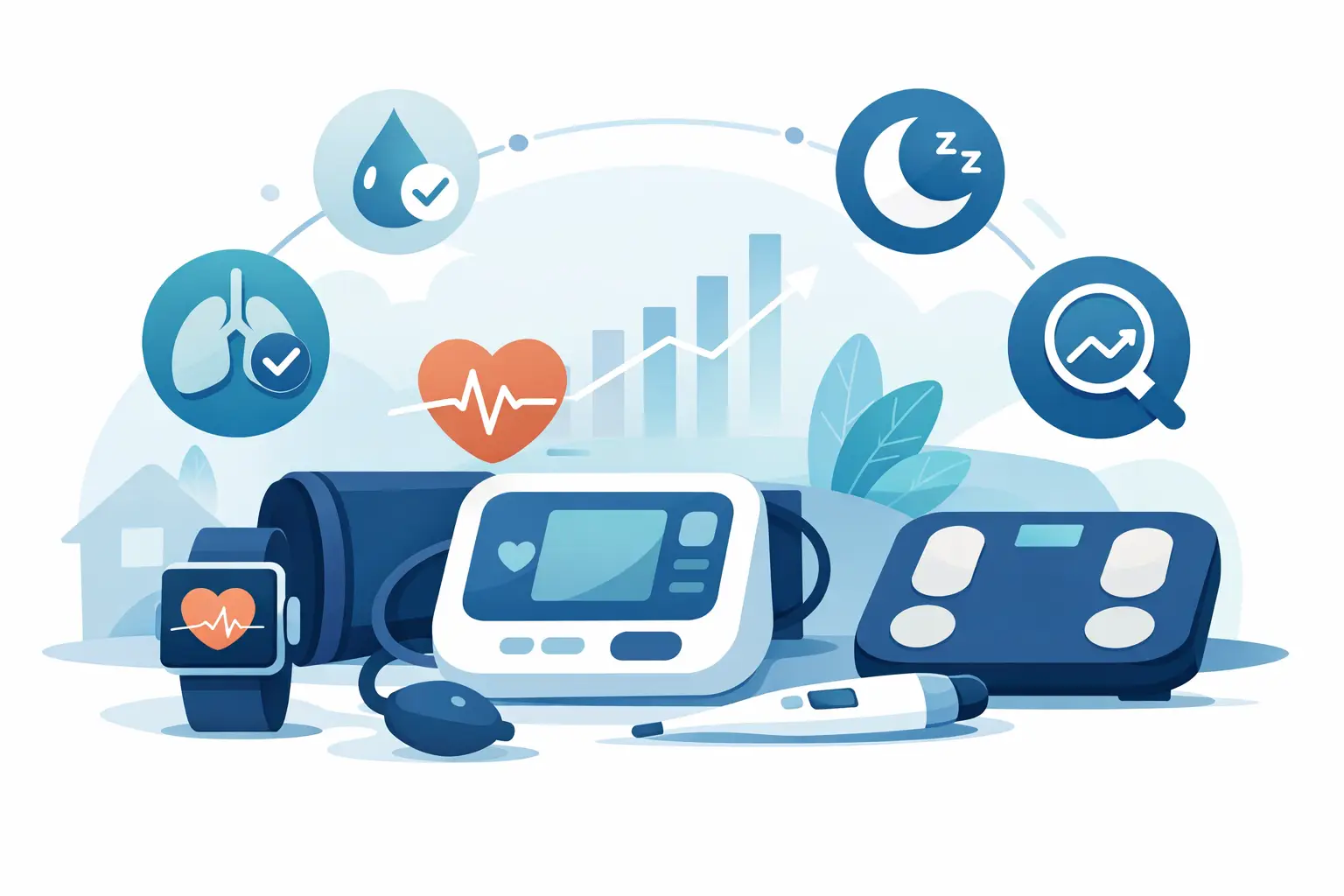
A single blood pressure reading after a stressful phone call can look very different from your usual baseline. That is why the best health metrics to monitor at home are not about chasing perfect numbers. They are about noticing meaningful patterns early, giving your primary care provider useful information, and helping you take a more active role in your health between visits.
For many adults, home monitoring can be especially helpful when managing high blood pressure, diabetes, kidney concerns, thyroid conditions, weight changes, or medication adjustments. The right measurements depend on your health history. Tracking every available number can create unnecessary worry, while tracking a few relevant metrics consistently can lead to clearer, more productive care.
Best Health Metrics to Monitor at Home
Blood pressure
Blood pressure is one of the most useful home measurements for adults, particularly if you have hypertension, diabetes, kidney disease, heart risk factors, or a family history of high blood pressure. It can also help your provider see whether medication and lifestyle changes are working outside the clinic.
Use an automatic upper-arm cuff that fits properly. Wrist cuffs may be convenient, but they are often less reliable if not positioned exactly right. Before checking, sit quietly for about five minutes with your back supported, feet flat on the floor, and arm supported at heart level. Avoid caffeine, exercise, tobacco, and a large meal for at least 30 minutes beforehand when possible.
A single higher reading is not always an emergency. Stress, pain, rushing, and improper cuff placement can all affect the result. Take two readings one minute apart and record both, along with the time and any unusual circumstances. If your blood pressure is 180/120 or higher, wait five minutes and recheck it. Seek emergency care right away if it remains that high or occurs with chest discomfort, shortness of breath, weakness, confusion, severe headache, vision changes, or trouble speaking.
Blood sugar, when it is part of your care plan
For people with diabetes, prediabetes, or medication-related blood sugar concerns, home glucose monitoring can show patterns that an occasional lab test may not capture. Your provider may ask you to check fasting blood sugar, before meals, after meals, or at different times depending on your treatment plan.
The timing matters as much as the number. A log that says whether a reading was fasting, before dinner, or two hours after a meal is far more helpful than a list of unexplained values. Record meals, activity, medication changes, illness, and symptoms when they may have influenced the result.
Not everyone needs to check blood sugar at home. If you do not have diabetes or a specific reason to monitor it, routine testing can add stress without offering useful guidance. Your care team can help determine whether a glucose meter or a continuous glucose monitor fits your needs.
Weight and fluid-related changes
Weight is more than a nutrition goal. A steady upward or downward trend can sometimes point to changes in metabolism, medication effects, fluid retention, thyroid function, eating patterns, or another health concern. It is most meaningful when measured under similar conditions, such as first thing in the morning after using the restroom and before breakfast.
Daily weighing is useful for some people, including those whose clinicians are monitoring fluid balance. For others, once or twice a week is enough. What matters is the trend, not a normal day-to-day fluctuation. A sudden gain of several pounds over a short period, especially with new leg swelling or shortness of breath, deserves a call to your medical provider.
Try to view the scale as one piece of information rather than a judgment. Waist measurement, energy level, physical activity, sleep, appetite, and lab results can all provide additional context.
Resting heart rate
Your resting heart rate is your pulse when you are calm, seated or lying down, and not exercising. Many smartwatches provide this measurement, though you can also check manually at your wrist or neck. A normal resting heart rate varies from person to person and can be influenced by fitness level, hydration, fever, stress, caffeine, and medications.
The value of tracking your pulse is often in recognizing a change from your usual pattern. A persistently rapid, unusually slow, or irregular heartbeat should be discussed with a clinician, particularly if you also feel dizzy, faint, weak, short of breath, or aware of fluttering in your chest. Wearable devices can be useful conversation starters, but they do not replace a medical evaluation or a diagnostic test.
Temperature during illness or medication changes
You do not need to take your temperature every day when you feel well. However, a reliable digital thermometer is valuable during an illness, after certain procedures, or when you have symptoms such as chills, body aches, cough, urinary discomfort, or worsening fatigue.
Write down the temperature, how it was taken, when you took fever-reducing medication, and how you are feeling overall. For most adults, a fever is generally considered 100.4°F or higher. The urgency depends on the full picture. A fever with severe symptoms, confusion, breathing difficulty, dehydration, a stiff neck, or a rapidly worsening condition needs prompt medical attention.
Oxygen saturation, for selected situations
A fingertip pulse oximeter measures oxygen saturation, or the percentage of oxygen carried in your blood. It can be helpful for people with certain lung or heart conditions, during respiratory illnesses, or when a provider has specifically recommended monitoring it.
These devices have limits. Cold hands, nail products, poor circulation, movement, and device quality can affect a reading. More importantly, a number should never outweigh how you feel. New or worsening shortness of breath, blue or gray lips, chest discomfort, confusion, or difficulty staying awake requires urgent evaluation, even if a device appears reassuring.
How to Make Home Readings Useful
Consistency turns home monitoring into actionable information. Use the same device, measure at roughly the same time of day when your provider recommends it, and follow the instructions that come with the device. Bring your monitor to an appointment occasionally so your care team can compare it with clinic equipment and confirm that the cuff size and technique are appropriate.
A simple paper log works well, and many patients prefer a phone note or the patient portal. Include the date, time, reading, medication changes, and relevant symptoms. For blood pressure, note whether you had caffeine, missed a dose, felt anxious, or had just exercised. For glucose, note the timing of meals. Context helps your provider distinguish a temporary change from a pattern that may need attention.
Avoid changing prescription medication based only on a few readings unless your clinician has already given you specific instructions. Home monitoring supports medical care; it does not require you to interpret every change alone.
When Symptoms Matter More Than the Number
Health devices can provide useful data, but they cannot fully assess how you are doing. Do not wait for a home measurement to become alarming if you have sudden chest pain, significant trouble breathing, fainting, new one-sided weakness, difficulty speaking, severe confusion, or another serious new symptom. Call 911 or seek emergency care.
For non-emergency concerns, reach out when you see a sustained change from your normal readings, have recurring symptoms, or are unsure what your results mean. An appointment or telehealth visit can help place your numbers in the context of your medications, exam findings, and overall medical history.
Choose Metrics That Fit Your Health, Not Someone Else’s
The most effective tracking plan is personal. Someone managing hypertension may benefit most from a blood pressure log, while someone with diabetes may need structured glucose readings. Another patient may be better served by monitoring weight, activity tolerance, and symptoms rather than adding multiple devices to the bathroom counter.
At Ekom Medical, individualized primary care means looking beyond isolated readings to understand your routine, concerns, and goals. Bring your home log to your next visit, even if it is incomplete. A few weeks of honest, consistent observations can give your provider a helpful starting point and give you greater confidence in the small daily choices that support your health.

Comments are closed