

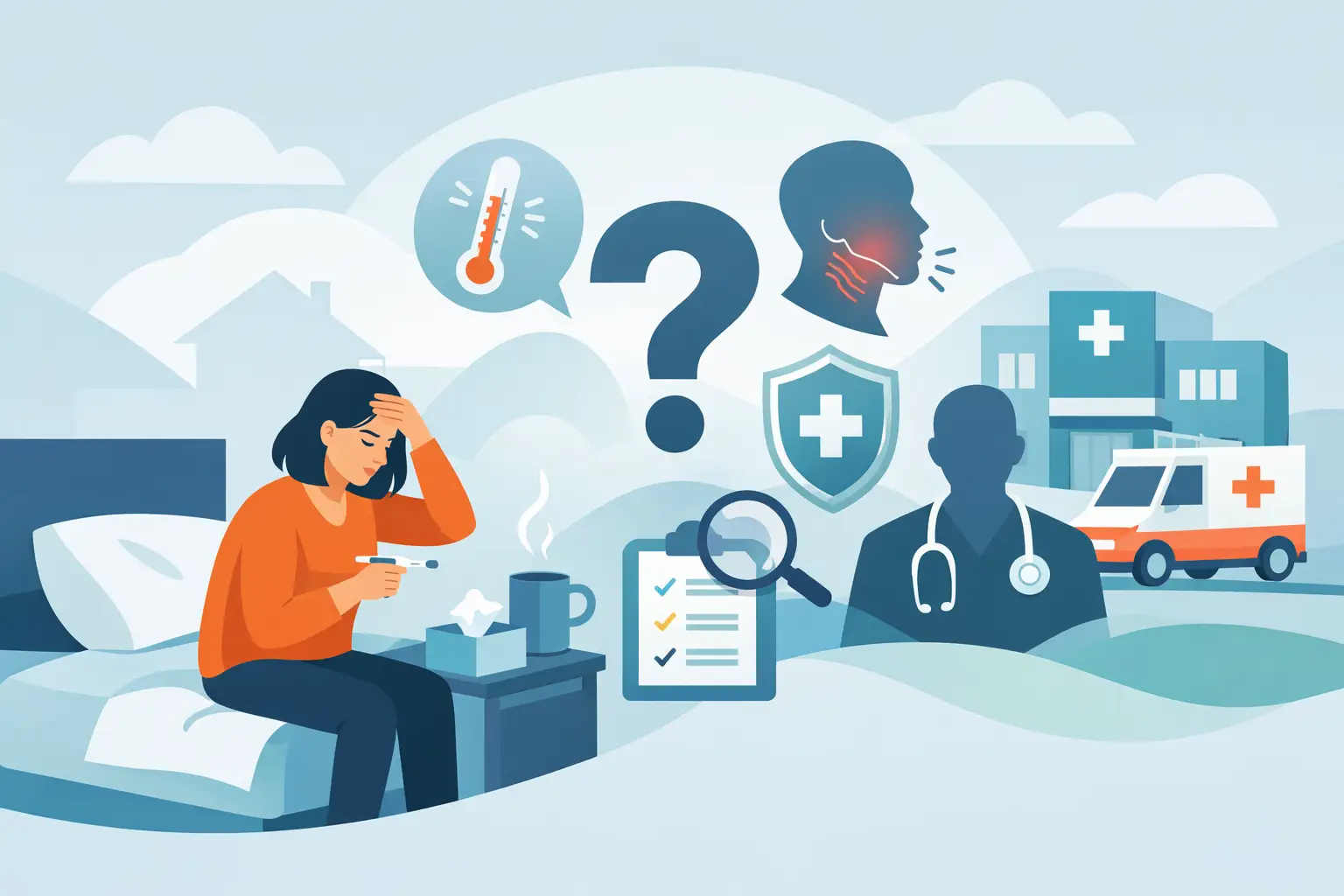
A cough that will not ease, a fever that returns, or stomach symptoms that leave you too tired to get through the day can make one question feel urgent: should you wait, schedule a visit, or seek care now? This adult sick visit guide can help you make that decision with more confidence and arrive prepared to get the most from your appointment.
A sick visit is not only for severe illness. It is an opportunity to talk through new or worsening symptoms with a provider who can look at your full health picture, including medications, medical history, and ongoing conditions. For adults managing concerns such as diabetes, high blood pressure, thyroid disorders, or kidney disease, a seemingly minor illness may deserve earlier attention.
How This Adult Sick Visit Guide Can Help
The right setting for care depends on your symptoms, their severity, and how quickly they are changing. A primary care sick visit is often a good choice for symptoms that are uncomfortable, persistent, or getting worse but are not immediately life-threatening. Your provider can evaluate the problem, order appropriate testing when needed, recommend treatment, and help you understand what to watch for at home.
Consider contacting your primary care office for a same-day or timely appointment when you have symptoms such as a lingering cough, sore throat, sinus pressure, ear discomfort, urinary symptoms, nausea, vomiting, diarrhea, rash, dizziness, or unexplained fatigue. New swelling, changes in appetite, or a fever that does not improve may also warrant evaluation.
It is especially wise to call sooner if you are older, pregnant, immunocompromised, or managing a chronic condition. Illness can affect blood sugar, blood pressure, hydration, and medication needs. Getting personalized guidance early may help prevent a small concern from becoming more difficult to manage.
When urgent care may be appropriate
Urgent care can be useful when you need prompt attention outside your primary care office hours or when an in-person evaluation cannot wait. It may be an appropriate option for issues such as minor cuts that may need stitches, a suspected simple infection, a sprain, or symptoms that need same-day assessment when your regular provider is unavailable.
However, urgent care does not always have access to your complete health history, current treatment plan, or prior test results. When your symptoms are stable enough to be evaluated by your primary care provider, that continuity can make a meaningful difference. Your provider knows the context behind your medications, chronic conditions, and previous concerns, allowing for more coordinated follow-up.
When to seek emergency care
Some symptoms should not wait for a primary care appointment or urgent care visit. Call 911 or go to the emergency room for warning signs such as chest pain or pressure, severe trouble breathing, fainting, sudden confusion, new weakness or numbness on one side of the body, difficulty speaking, seizures, severe allergic reactions, uncontrolled bleeding, or a sudden and severe headache.
Severe dehydration can also require emergency attention, particularly if you cannot keep fluids down, are barely urinating, feel faint when standing, or become confused. Trust your instincts. If a symptom feels severe, rapidly worsening, or unlike anything you have experienced before, it is safer to seek immediate help.
Preparing for an Adult Sick Visit
A few minutes of preparation can help your provider identify the right next steps more efficiently. Before your visit, think about when your symptoms began and whether they are improving, staying the same, or worsening. Be ready to describe what makes them better or worse and whether you have noticed related symptoms such as fever, changes in sleep, appetite changes, or shortness of breath.
Bring or have available an updated list of medications, including over-the-counter products, vitamins, and supplements. If you monitor blood pressure, blood sugar, temperature, or weight at home, record recent readings. These details can be particularly helpful when symptoms may be connected to an existing health condition.
It can also help to write down your most pressing question before the appointment. You may want to ask what the likely causes are, whether testing is needed, how long recovery should take, which symptoms require a call back, and whether any medications should be paused or adjusted. There is no need to minimize symptoms or worry about sounding overly concerned. Clear information helps your provider care for you well.
What Happens During a Sick Visit
Your appointment should begin with a conversation about what you are feeling and how it has affected your daily routine. Your provider may ask about recent travel, sick contacts, diet changes, medications, or any history that could point toward a cause. Depending on the concern, the visit may include checking your temperature, blood pressure, heart rate, oxygen level, and other relevant vital signs.
The physical examination is tailored to your symptoms. A provider may listen to your lungs, examine your ears and throat, feel your abdomen, check your skin, or assess swelling and circulation. Some concerns can be evaluated with in-office testing, while others may require blood work, urine testing, imaging, or additional monitoring.
Not every sick visit results in a prescription, and that is often appropriate. Many viral illnesses improve with rest, fluids, and symptom management rather than antibiotics. Antibiotics can be valuable when a bacterial infection is suspected or confirmed, but they do not treat viruses and can cause side effects when used unnecessarily. Your provider can explain the reasoning behind the recommended plan, including what improvement should look like and when to follow up.
For patients with chronic conditions, the care plan may need extra consideration. For example, vomiting or poor appetite can affect blood sugar management. Fever or dehydration may affect kidney function. Certain over-the-counter cold medications can raise blood pressure or interact with other treatments. Personalized advice matters because the best approach depends on your overall health, not only the symptom that brought you in.
After the Appointment: Follow the Plan and Watch for Changes
Before leaving or ending a telehealth visit, make sure you understand the next step. That may include taking medication as directed, completing a test, resting and hydrating, tracking symptoms, or scheduling a follow-up visit. If instructions are unclear, ask. You deserve to leave with a plan that feels manageable.
Recovery is not always a straight line. Some illnesses improve slowly over several days, while others should respond more quickly to treatment. Contact your provider if symptoms worsen, new symptoms develop, a fever persists, or you are not improving within the timeframe discussed during your visit. If warning signs become severe, seek emergency care.
When Telehealth Can Be a Good First Step
Telehealth can be a convenient option for certain symptoms, especially when you need guidance quickly, have mild symptoms, or need help deciding whether an in-person exam is necessary. It may work well for discussing cold symptoms, medication questions, mild stomach concerns, rashes that can be clearly seen on video, or follow-up after a recent illness.
There are limits. Symptoms that require a hands-on examination, vital signs, testing, or immediate treatment may need an office visit or a higher level of care. A telehealth provider can help direct you appropriately, but do not delay emergency care for serious symptoms.
At Ekom Medical, adults in Glendale and nearby communities can turn to a primary care team that listens carefully, evaluates concerns in context, and supports the next right step. When you are sick, timely care is not about having every answer before you call. It is about giving yourself the attention and support needed to recover with confidence.

Comments are closed