

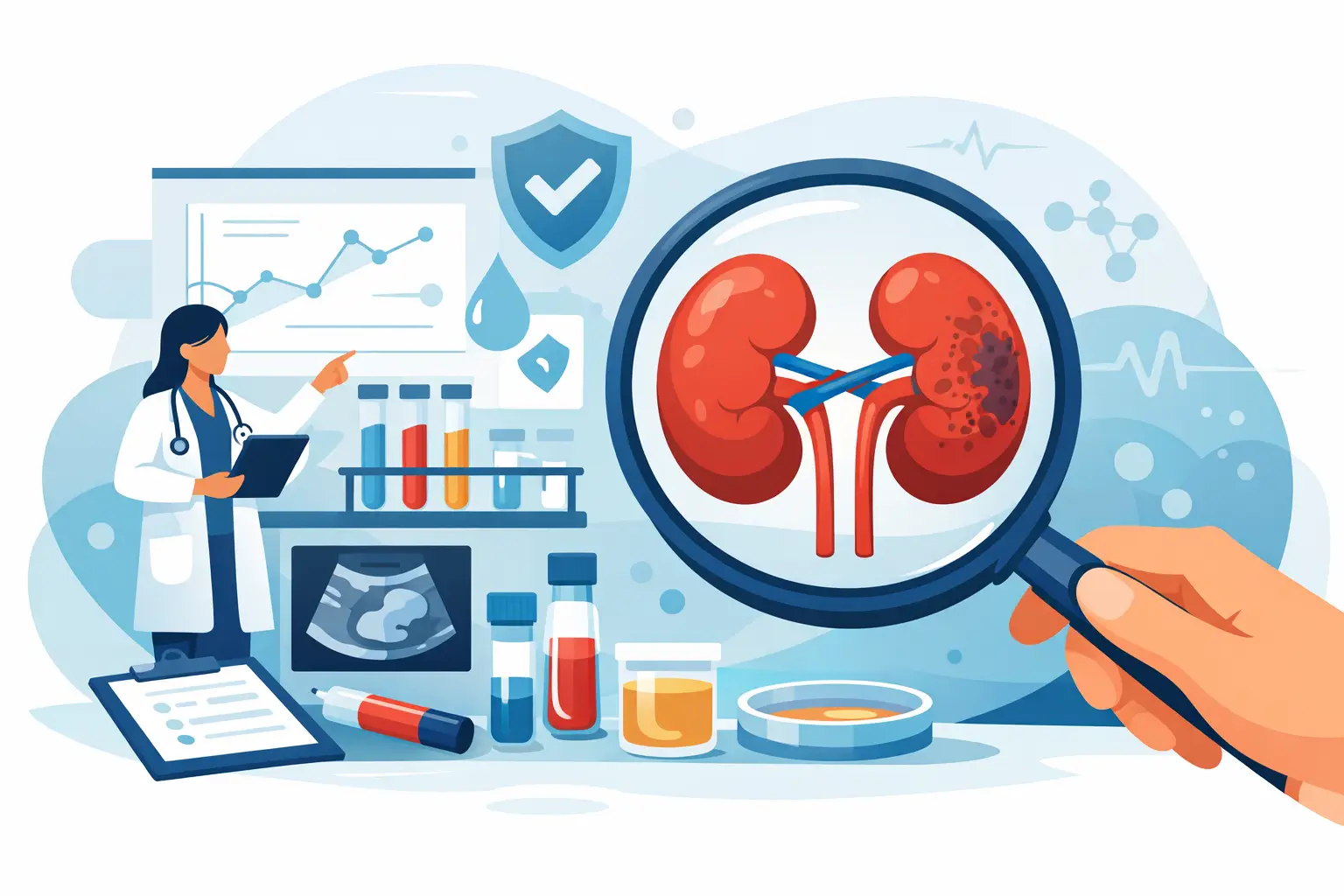
Kidney disease often changes quietly. A person may feel well while kidney filtering ability gradually declines, which is why learning how to monitor chronic kidney disease is one of the most useful steps you can take after a diagnosis. Regular monitoring does more than track a lab result. It helps your care team spot changes early, protect the kidney function you have, and adjust your plan before a small concern becomes a larger one.
The right monitoring schedule is personal. It depends on the stage and cause of your kidney disease, whether you have diabetes or high blood pressure, your medications, and any recent changes in your health. Your primary care provider may coordinate monitoring with a kidney specialist, also called a nephrologist, when more specialized care is needed.
How to Monitor Chronic Kidney Disease Over Time
Chronic kidney disease, or CKD, means the kidneys have had reduced function or signs of damage for at least three months. Providers generally stage CKD using two main findings: estimated glomerular filtration rate, known as eGFR, and the amount of albumin or protein in the urine. Looking at both gives a more complete picture than either result alone.
Your eGFR estimates how well your kidneys filter waste from the blood. A lower number can indicate less filtering ability, but one result is not the whole story. Hydration, illness, certain medications, and normal lab variation can affect the number. The trend over several tests usually matters more than a single change.
A urine albumin-to-creatinine ratio, often shortened to UACR, checks for albumin leaking into the urine. Albumin is a protein that should largely remain in the bloodstream. Higher urine albumin can be an early sign of kidney damage, even when eGFR is still in a relatively normal range.
For early, stable CKD, lab testing may be needed once or twice a year. More frequent testing may be appropriate when eGFR is lower, urine protein is elevated, blood pressure or diabetes is not at goal, or a medication has changed. Your provider can explain what your numbers mean for you and how often they should be repeated.
The core tests your provider may follow
Blood and urine tests are central to CKD care, but they are not the only measurements that matter. Your care plan may include creatinine and eGFR, UACR or another urine protein test, potassium, bicarbonate, calcium, phosphorus, blood count, blood sugar measures, and cholesterol testing.
These tests help identify complications that can occur as kidney function changes. For example, CKD can contribute to high potassium, anemia, or changes in bone and mineral balance. Finding these concerns early gives your provider time to treat them thoughtfully.
Keep copies of your results through your patient portal or a personal health folder. At appointments, ask whether your eGFR and urine albumin are stable, improving, or changing. Clear questions turn lab reports into useful information rather than a list of unfamiliar abbreviations.
Watch Blood Pressure at Home
High blood pressure can damage the kidneys, and kidney disease can also make blood pressure harder to control. This close connection makes home readings especially valuable. A single reading in a busy clinic can be affected by stress, activity, or caffeine. A consistent series of home readings often provides a more realistic view.
Use an upper-arm cuff that fits correctly, and bring it to an appointment occasionally so the team can compare it with office equipment. For the most accurate reading, sit quietly for about five minutes, keep both feet on the floor, support your arm at heart level, and avoid tobacco, exercise, and caffeine for 30 minutes beforehand when possible.
Your individual blood pressure target may differ based on age, kidney disease stage, medications, and other conditions. Do not change or stop blood pressure medicine based on a few readings without speaking with your provider. Instead, record the date, time, reading, and any symptoms, then share the pattern with your care team.
Pay Attention to Symptoms, Without Waiting for Them
Many people with CKD have no noticeable symptoms in earlier stages. That is why appointments and lab monitoring cannot be replaced by how you feel. Still, new symptoms deserve attention, particularly when they appear suddenly or persist.
Contact your healthcare provider promptly if you notice:
- New or worsening swelling in the feet, ankles, hands, or around the eyes
- Shortness of breath, unusual fatigue, nausea, or a major change in appetite
- Foamy urine, blood in the urine, or a clear decrease in urination
- Persistent dizziness, confusion, severe weakness, or rapid weight gain from fluid retention
Some symptoms can have causes unrelated to the kidneys, but they should not be ignored. Severe shortness of breath, chest pain, fainting, or confusion requires urgent evaluation.
Review Medications and Supplements Regularly
Medication review is a practical part of protecting kidney health. Some medicines need dose adjustments as eGFR changes. Others may affect the kidneys or change potassium levels, especially during dehydration or an acute illness.
Nonsteroidal anti-inflammatory drugs, commonly called NSAIDs, can be risky for some people with CKD. Examples include ibuprofen and naproxen. This does not mean every patient has the same restrictions, but it does mean over-the-counter products should be discussed before regular use. Cold and flu products, antacids, laxatives, and herbal supplements can also contain ingredients that may not be appropriate for reduced kidney function.
Bring an updated list of every prescription medication, vitamin, and supplement to each visit. Include the dose and how often you take it. If another clinician prescribes a new medicine, let them know you have CKD and ask whether your kidney function affects the dose.
There is also a key difference between protecting kidneys over the long term and responding to a short-term illness. Vomiting, diarrhea, fever, or poor fluid intake can increase the risk of dehydration and sudden kidney stress. Ask your provider ahead of time whether you need a sick-day plan for any of your medications. Do not make assumptions, because the right plan depends on the medicines you use and your overall health.
Track the Habits That Affect Kidney Health
Daily choices can support the medical plan, particularly when they focus on blood pressure, blood sugar, and heart health. For many people, this includes limiting excess sodium, choosing minimally processed foods more often, staying physically active within their abilities, and avoiding tobacco.
Nutrition advice should be individualized. People often hear that they need to avoid potassium, protein, or fluids after a CKD diagnosis, but these restrictions are not automatically right for everyone. In fact, unnecessary dietary limits can make it harder to get adequate nutrition. The best approach depends on your lab values, CKD stage, diabetes status, medications, and whether you have swelling or other complications. A provider or renal dietitian can help make the plan realistic.
If you have diabetes, monitoring blood glucose as recommended is another important part of kidney care. Better glucose management can slow further kidney damage for many patients. If you do not have diabetes, maintaining a healthy weight, regular activity, and routine preventive care still support both kidney and cardiovascular health.
Make Appointments More Useful
CKD monitoring works best when you and your care team are looking at the same patterns. Before a visit, write down home blood pressure readings, recent symptoms, medication questions, and any changes in diet or fluid intake. If you had labs completed elsewhere, make sure the results are available to your provider.
Helpful questions include: What stage of CKD do I have? Is my kidney function stable? Is there protein in my urine? What should my blood pressure goal be? Which medications or supplements should I avoid? When should I repeat labs, and when would a nephrology referral be helpful?
For patients in Glendale and nearby communities, consistent primary care can make this process less fragmented. Ekom Medical can help coordinate routine testing, medication review, blood pressure management, and referrals when appropriate, while keeping your larger health picture in view.
Kidney disease monitoring is not about watching numbers with fear. It is about building a steady routine with a care team that listens, explains, and helps you respond to changes early. Each lab check, home blood pressure log, and honest conversation is a practical way to care for your kidneys and your future health.

Comments are closed